
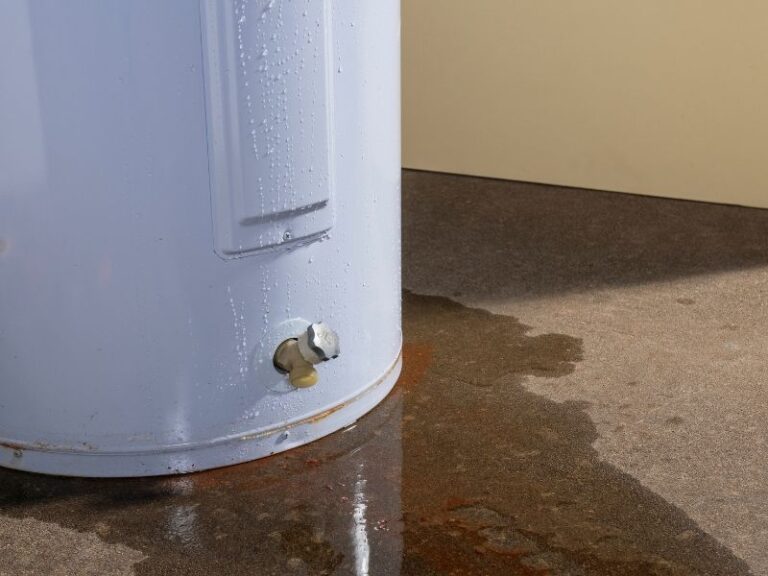
The chill of a Birmingham, AL, winter morning cuts deeper when you discover a puddle spreading across your basement floor, radiating from your water heater like an unwelcome houseguest. That steady drip transforms into a cascade of concerns: damaged flooring, skyrocketing utility bills and the looming threat of a complete system failure during the season when hot water matters most. According to the Insurance Institute for Business & Home Safety, water heater failures cause an average of $4,444 in damages per incident. Your leaking tank water heater isn’t merely an inconvenience; it’s a warning signal demanding immediate attention.
What Causes Water Heaters to Leak?
Understanding the root causes of water heater leaks empowers you to address problems before they escalate. Tank water heaters are subject to constant pressure and temperature fluctuations that gradually compromise their integrity. The internal tank holds anywhere from 30 to 80 gallons under continuous stress, and Birmingham’s mineral-rich water accelerates deterioration. Several culprits typically trigger leaks:
- Corroded tank resulting from sediment accumulation and electrochemical reactions.
- Faulty temperature and pressure relief valve failing to seal properly.
- Loose drain valve connections allow water to escape.
- Deteriorated anode rod no longer protecting the tank from corrosion.
- Cracked or damaged inlet and outlet connections.
- Excessive internal pressure from thermostat malfunction or closed system issues.
How Does Age Factor Into Water Heater Deterioration?
The average tank water heater lasts between about 12 years, but Birmingham’s hard water can shorten this lifespan considerably. As your water heater approaches the decade mark, the steel tank’s protective glass lining begins breaking down, exposing bare metal to corrosive elements. The anode rod, designed as a sacrificial component, depletes over time and stops neutralizing corrosive particles.
Once this protection disappears, rust forms rapidly within the tank, creating weak points that eventually rupture. Manufacturers build tanks with planned obsolescence in mind, and older water heaters leak more frequently as internal components exceed their designed service life.
Can You Identify Where the Water Originates?
Pinpointing the leak’s exact location determines whether you need a simple repair or complete replacement. Start by thoroughly drying the area around your water heater and observing where moisture reappears. Top-of-tank leaks often stem from loose pipe connections or a malfunctioning pressure relief valve, both of which are relatively affordable fixes.
Side-of-tank moisture typically indicates internal corrosion, a death sentence for your water heater. Bottom leaks present the worst-case scenario, suggesting the tank itself has corroded through. W.C. Wright And Son, Inc recommends professional inspection for accurate diagnosis, as condensation can mimic genuine leaks and lead to unnecessary replacements.
Is Your Water Heater in Birmingham, AL, Leaking? Don’t Delay; Call Today!
Your water heater leak won’t resolve itself, and postponing professional service compounds both damage and expense. Contact W.C. Wright And Son, Inc to schedule an inspection for your leaking water heater in Birmingham, AL.
Image provided by Canva